
How to Spot Hidden Roof Damage After a Tennessee Storm
The sound of a heavy rain and gusting wind is familiar to anyone living through a Tennessee storm season. There's a sense of relief when it finally passes, but for homeowners, that relief is often followed by a nagging question: Is the roof okay? While it’s easy to spot a fallen tree limb, some of the most serious roof damage is subtle and can go unnoticed from the ground. Ignoring these hidden issues can lead to costly repairs down the road.
At Modern Roofing Group, we help homeowners in communities like Murfreesboro protect their homes by identifying and addressing storm damage before it becomes a major problem. This guide will walk you through how to safely check for hidden damage and what to do if you suspect your roof needs attention.
More Than Just Fallen Branches: Uncovering Hidden Storm Damage
After a storm clears, the most obvious mess is the debris scattered across your yard. But the real threat to your home's integrity often lies out of sight. High winds don't always rip shingles completely off; more often, they lift the edges, breaking the watertight seal that holds them down. This creates a perfect pathway for wind-driven rain to seep underneath, leading to slow leaks that can damage your attic and ceiling.
Similarly, hail damage isn't always dramatic. While large hailstones can crack shingles, smaller hail often creates subtle “bruises” on the shingle’s surface. These impact spots knock off the protective granules, exposing the underlying asphalt to UV rays. Over time, this exposure causes the shingle to become brittle and fail, significantly shortening your roof's lifespan. These are the kinds of issues that a quick glance from the driveway will almost certainly miss.
Your Safe, Ground-Level Inspection Checklist
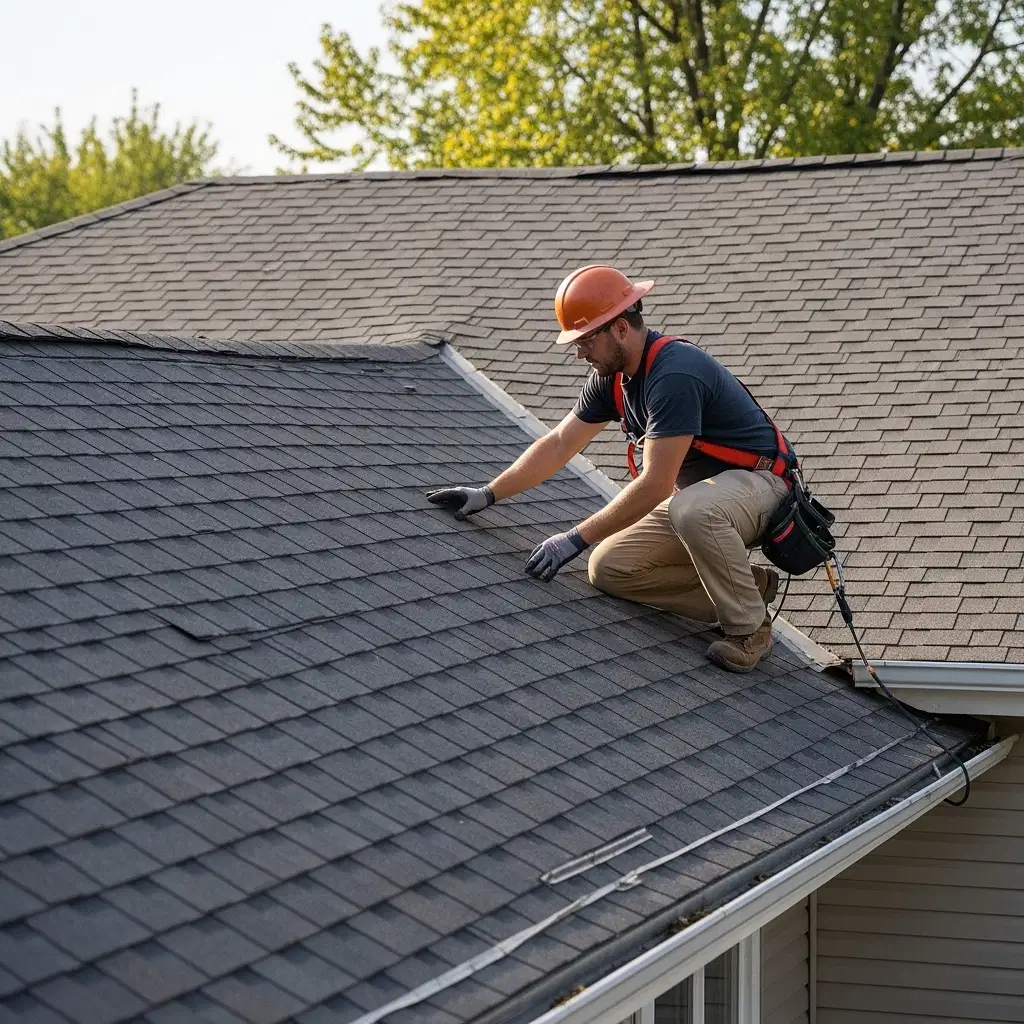
Your safety is the top priority. Never get on your roof to inspect it yourself. A wet or damaged roof is incredibly dangerous without the proper safety equipment and training. Fortunately, you can spot many warning signs from the safety of the ground.
Here’s a simple checklist to follow after a storm:
- Walk Your Property: Circle your home and look for any shingles, or pieces of shingles, that may have blown off and landed in your yard, on your deck, or in your landscaping.
- Check Your Gutters and Downspouts: Look for an accumulation of shingle granules, which look like coarse black sand. A large amount of granule loss is a sign that your shingles are aging or have been damaged by hail. Also, check the gutters themselves for dents, dings, or signs of being pulled away from the house.
- Use Binoculars for a Closer Look: From a safe distance, use binoculars to scan your roof for anything that looks out of place. Pay close attention to the metal components like vents, flashing around the chimney, and exhaust pipes. Look for dents from hail or sections that appear lifted or bent.
- Inspect Siding and Window Screens: Hail and wind that are strong enough to damage your roof will often leave marks on other parts of your home. Check for dents in siding, damage to window screens, or chipped paint on your home's exterior.
A Closer Look: Identifying Wind and Hail Damage
Understanding what you're looking for can make your ground-level inspection much more effective. Here are the specific signs of wind and hail damage:
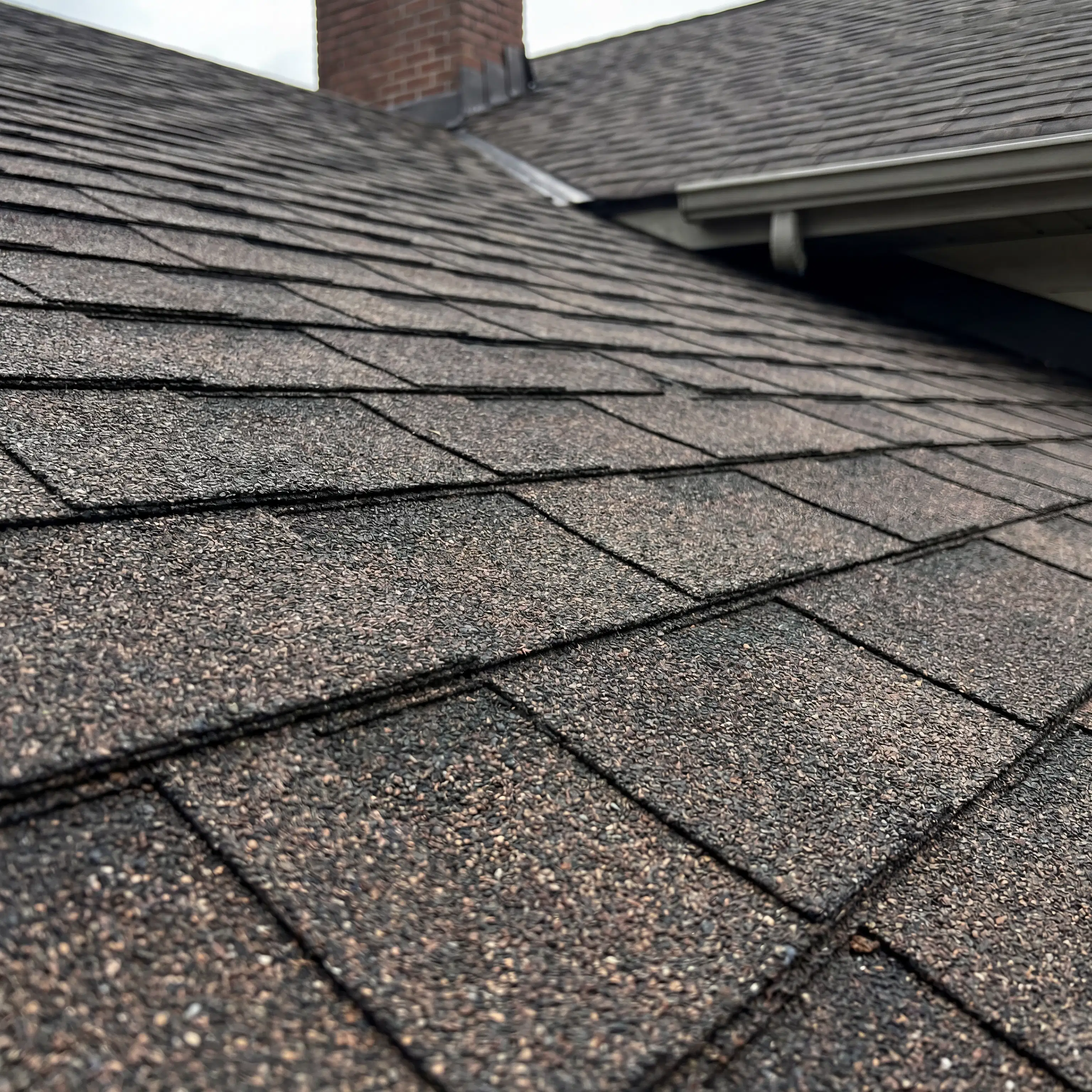
Signs of Wind Damage: Beyond completely missing shingles, look for shingles that are peeling, curling, or lifted. A common sign is a horizontal crease or fold line where the wind has bent the shingle upward, breaking the adhesive seal. Even if the shingle lays back down, that broken seal makes it vulnerable to future leaks.
Signs of Hail Damage: On asphalt shingles, hail damage often appears as random dark spots or “bruises” where the protective granules have been knocked away. The impacts may feel soft to the touch, like a bruise on a piece of fruit. On metal flashing, vents, or gutters, hail damage is much easier to see and will appear as distinct dents and dings.
Why Small Leaks Become Big Problems
It’s tempting to ignore what seems like minor damage, but the principle of “out of sight, out of mind” can be a costly mistake with your roof. A single lifted shingle can allow water to penetrate the roof deck, leading to a cascade of problems that worsen over time.
This slow, hidden leak can saturate the insulation in your attic, drastically reducing your home's energy efficiency and increasing your utility bills. The persistent moisture creates a perfect environment for mold and mildew to grow, which can compromise your home's air quality. Over months or years, that moisture will begin to rot the wooden roof decking and even the structural supports of your home, turning a simple repair into a major structural project. What starts as a small water spot on your ceiling can be a sign of extensive damage lurking above.
Protect Your Home with Confidence
After a storm, your roof is your home's first line of defense. Taking the time to perform a safe, ground-level check is a smart first step, but it's no substitute for a professional evaluation. If you've noticed any of the warning signs—from granules in your gutters to creased shingles—it's time to call for an expert opinion. A professional has the training and equipment to safely identify both obvious and hidden damage, giving you a complete picture of your roof's condition and the peace of mind that your home is protected.
Don't let hidden damage from the last storm turn into a major headache. If you have any concerns about your roof's condition, the team at Modern Roofing Group is here to help. We provide comprehensive storm damage assessment services for homeowners throughout the Murfreesboro area. In urgent situations, we can also provide emergency tarping to prevent further water intrusion while planning a permanent roof repair.
Contact us today to schedule a complimentary, no-obligation free inspection and ensure your home is safe and secure.