Identifying and Fixing a Sagging Roofline Before It's Too Late
Your home is likely your most significant financial investment, and its roof serves as the ultimate shield against the elements. When you pull into your driveway and notice a subtle dip, bowing, or wave along the peak of your house, it is far more than just a cosmetic flaw. A dipping or uneven ridge is one of the most critical warning signs of roof structural failure. For homeowners here in Murfreesboro, ignoring these early visual indicators can lead to extensive water infiltration, compromised interior structures, and significantly higher repair bills down the road.
At Modern Roofing Group, we understand that structural roofing problems can be incredibly stressful for families. A roof that isn't perfectly straight often sparks anxiety about safety and the potential financial burden of a major renovation. However, catching a sag early drastically improves the chances of an efficient, targeted repair. Unlike out-of-state storm chasers who might just want to nail new asphalt shingles over an existing problem and move on to the next town, a dedicated local team takes the time to look beneath the surface. True peace of mind comes from knowing the actual bones of your house are healthy, stable, and ready to withstand whatever weather comes our way.
Whether your property is a historic home near the city center or a newer build in a rapidly growing neighborhood, the structural integrity of your roof decking and supports is paramount. In this guide, we will walk you through what causes a dipping or sagging roofline, how to spot the early warning signs before they escalate, and the proper methods used to restore your home's structural strength.
What Causes a Dipping or Sagging Roofline?
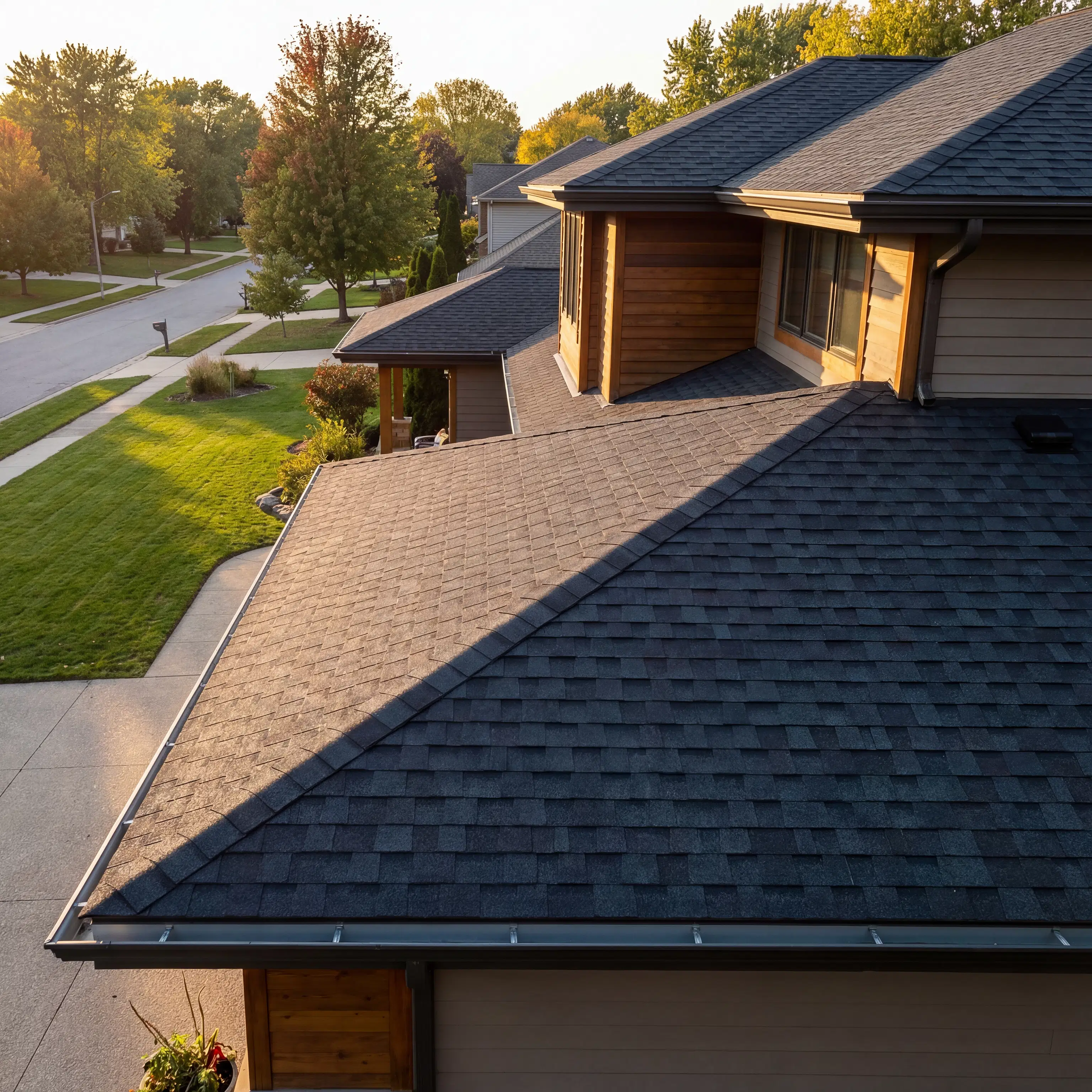
Understanding the root causes of dipping or sagging rooflines is the first step in protecting your property. The structure of your roof relies on a complex system of wooden rafters, trusses, and decking. When any of these foundational components weaken, gravity inevitably takes over, pulling the roof downward.
One of the most common culprits is long-term water exposure. Middle Tennessee is no stranger to intense weather, and our annual spring storms can push tremendous amounts of water against your home's exterior. If water manages to seep past aging shingles, damaged flashing, or faulty gutters, it begins to soak into the wooden decking and supports underneath. Over time, this constant moisture leads to wood rot. Rotted wood loses its load-bearing capacity, causing the sheathing to warp and the roofline to dip between the rafters.
Excessive weight is another major factor. While we do not experience heavy, lingering snow loads frequently in our region, a different kind of weight often plagues older homes: multiple layers of roofing materials. In the past, it was common practice to install a new layer of shingles directly over an old one to save time and money. However, standard roof framing is generally only designed to hold a single layer of roofing. Adding a second or even third layer places immense, constant stress on the underlying rafters, eventually causing them to bow under the pressure.
Finally, poor attic ventilation plays a hidden but significant role in structural degradation. Our hot and humid summers can turn a poorly ventilated attic into an oven. This trapped, superheated air can cause the plywood decking to delaminate and warp. During cooler months, poor ventilation traps interior condensation, leading to mold growth and wood rot from the inside out. Identifying these causes early is why securing a comprehensive free inspection from a licensed professional is so critical.
Warning Signs of Roof Structural Failure
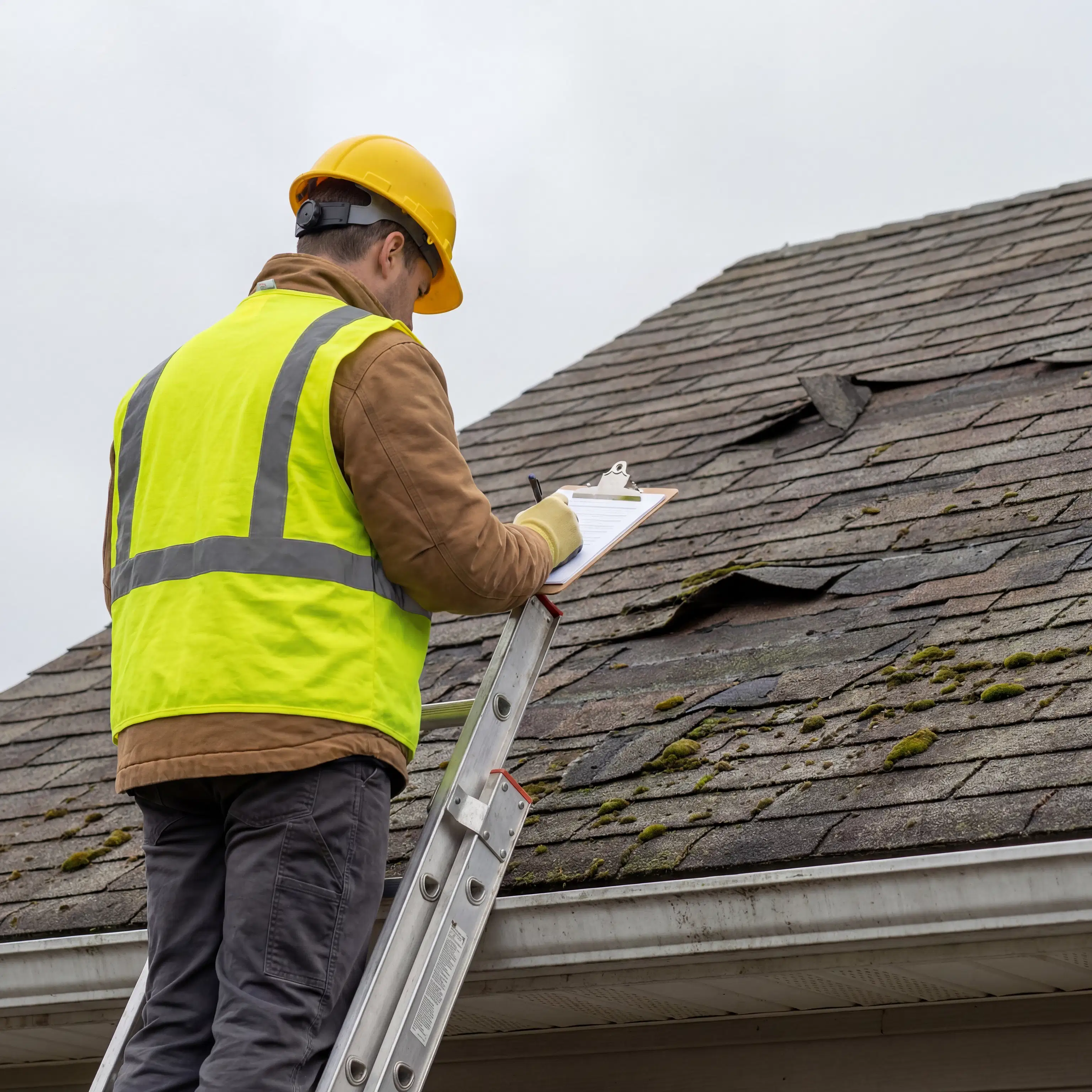
Knowing how to spot the problem early can save you from a catastrophic roof collapse. Homeowners frequently ask how to tell if a roof has storm damage or underlying structural issues before reaching out to their insurance company. The good news is that you can perform a preliminary check yourself without ever leaving the ground.
Start by standing across the street from your house on a clear day and looking at the main ridge line at the very top of the roof. It should be perfectly straight and level. If you see a subtle "U" shape or a wavy pattern, the underlying structure is likely compromised. Next, look at the flat planes of the roof. Do you notice any localized dips or craters where water might pool after a rainstorm? These sunken areas indicate that the decking between the rafters has failed.
Inside your home, the warning signs of roof structural failure often manifest as mysterious interior changes. Look for cracks developing in the drywall on your top-floor ceilings or walls, doors that suddenly stick or fail to latch properly, and visible water stains on the ceiling. If you are comfortable safely accessing your attic, look at the rafters themselves. Are they bowing downward? Do you see dark water stains on the underside of the roof decking, or notice a strong, musty odor? These are all red flags that require immediate professional attention.
When these signs appear, one of the first questions on a homeowner's mind is the cost to repair sagging roof structure. Because every home is uniquely built, the investment required varies based on the extent of the damage. If the issue is localized to a few sheets of rotted decking due to a minor leak, the fix may be surprisingly affordable. However, if the main load-bearing rafters are cracked or heavily bowed, a more extensive structural intervention is necessary. Delaying action always increases this cost, as weakened structures place additional stress on the remaining healthy framework.
How to Fix Sagging Roof Rafters and Decking
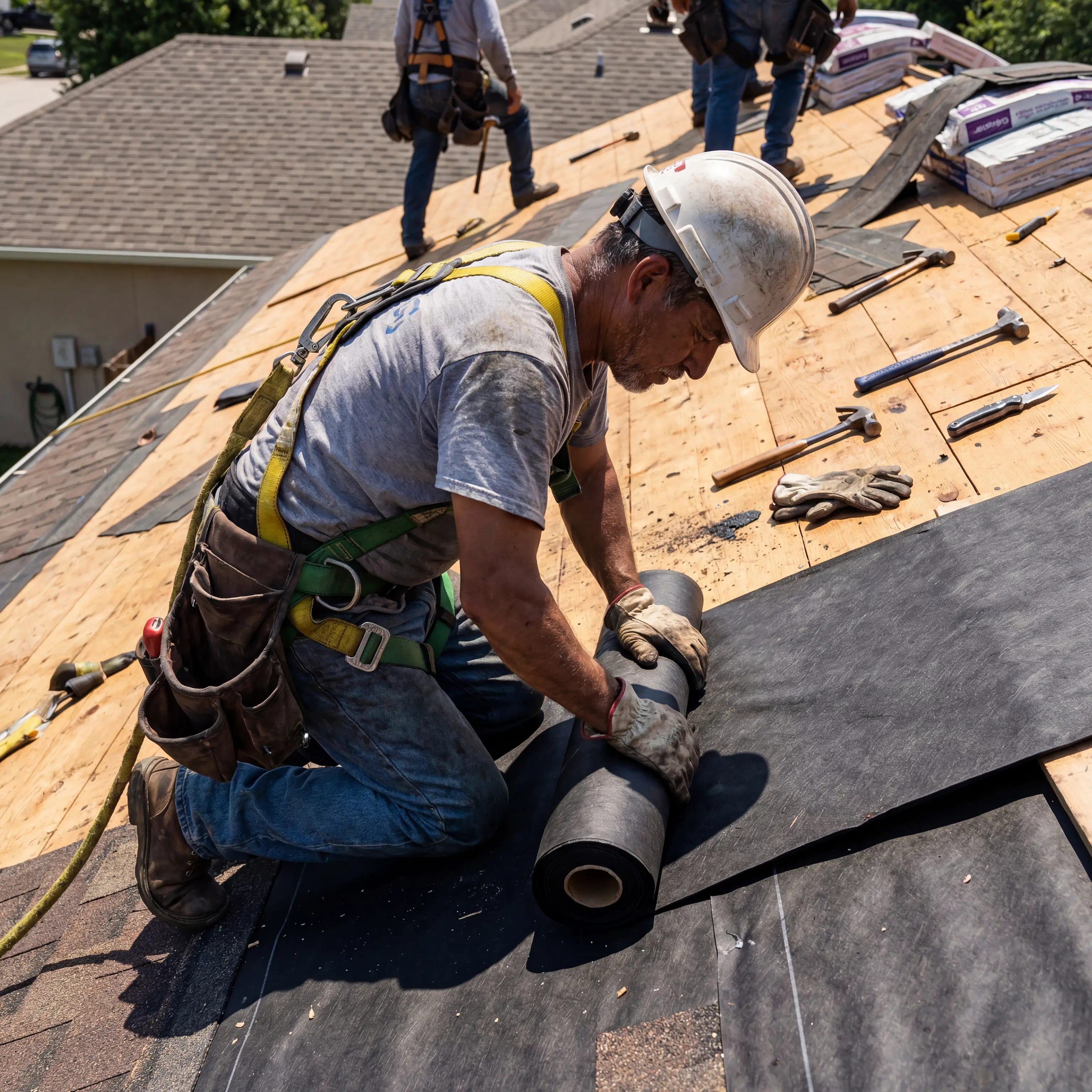
When structural framing is compromised, simply putting new shingles on top is never an acceptable solution. Proper repair requires a systematic approach to restore the home's strength. Learning how to fix sagging roof rafters and decking involves understanding the careful surgical work professional roofers perform.
First, the team must carefully remove the existing shingles, underlayment, and any rotted decking to expose the compromised framing. Once the "bones" of the roof are accessible, a thorough structural assessment is conducted. If the wooden decking is warped but the rafters are completely intact, the solution is straightforward: replace the damaged plywood or oriented strand board (OSB) with fresh, high-quality materials before installing a new, modern roofing system.
However, if the rafters themselves are bowed, cracked, or rotted, they must be reinforced. A common and highly effective technique is called "sistering." This involves cutting a new, structurally sound piece of lumber and securely bolting it directly alongside the weakened rafter. This effectively transfers the weight of the roof to the new, straight wood, lifting the sag and permanently reinforcing the structure. In severe cases of widespread rot or failure, entire sections of the framing may need to be completely rebuilt.
Given the complexity of structural framing and the strict local building codes required in Tennessee, this is not a do-it-yourself weekend project. It requires precise measurements, an understanding of load distribution, and proper safety equipment. At Modern Roofing Group, we prioritize transparency and high-quality craftsmanship, ensuring you fully understand the necessary steps to secure your home.
If you have noticed a dip in your roofline or suspect structural issues after a severe weather event, do not wait for the problem to worsen. Protect your family and your investment with a comprehensive roof repair evaluation. Contact Modern Roofing Group today to schedule your assessment, and let our dedicated team provide reliable, trusted roofing solutions for homeowners throughout Rutherford County and beyond.