Preventing Winter Roof Leaks and Ice Dams
Y'all know how unpredictable our weather can be. We might enjoy a sunny, mild afternoon, only to find ourselves fixin' to hunker down for a sudden freeze by nightfall. As a homeowner in Cookeville, these dramatic temperature swings mean your home's exterior needs to be ready for absolutely anything. One of the most frustrating and potentially damaging issues homeowners face during the colder months is the formation of ice dams and the winter roof leaks they leave behind.
While we don't get the blizzard conditions of the Northeast, Middle Tennessee still experiences enough freezing rain, sleet, and occasional snow to cause serious problems for an unprepared roof. The good news is that with a little proactive maintenance and an understanding of how your home breathes, you can protect your property and your wallet. Modern Roofing Group is here to help you understand the science behind winter roof leaks, how to spot the early warning signs, and what steps you can take right now to keep your home warm and completely dry this season.
Understanding the Causes of Ice Dams
To prevent ice dams, it helps to know exactly how they form. When the temperature drops and precipitation settles on your shingles, the heat from inside your home naturally rises. If your attic lacks proper insulation and ventilation, that rising heat escapes directly into the attic space, warming the underside of your roof deck. This uneven heating causes the frozen precipitation on the higher parts of your roof to melt.
As this water trickles down toward the cooler eaves and gutters—which aren't warmed by the attic's heat—it refreezes. Over a few days of fluctuating temperatures, this cycle of melting and freezing creates a solid ridge of ice along the edge of your roof. This block is known as an ice dam. Once formed, it traps any new melting water behind it, creating a pool that has nowhere to go but under your shingles and into your home.
Winter roof leak causes almost always trace back to this combination of poor attic ventilation and inadequate insulation. The water forced under the shingles can soak your insulation, ruin your drywall, and lead to expensive interior repairs if left unchecked.
Signs of Attic Ventilation Issues in Winter
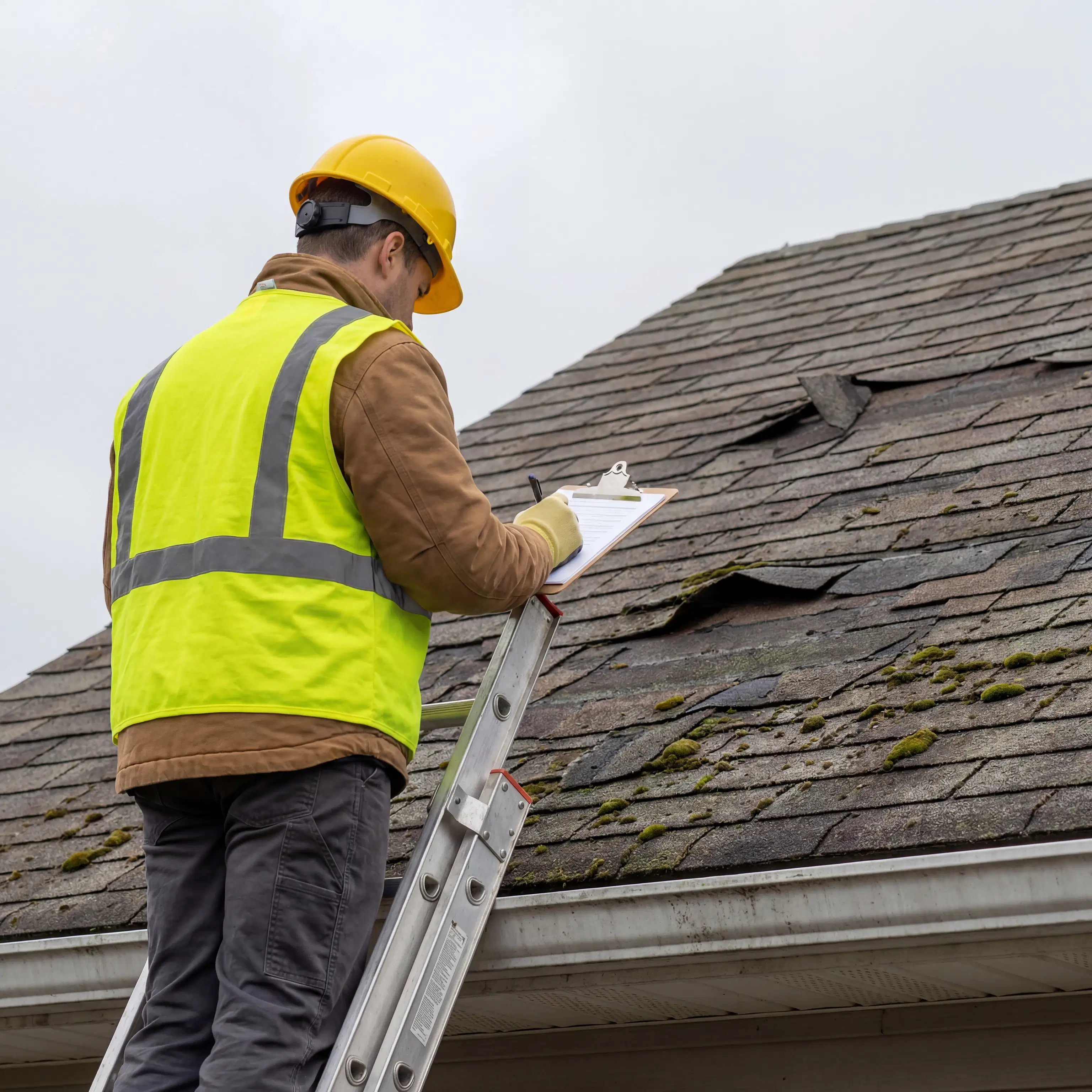
Many homeowners do not realize their roof is vulnerable until water starts dripping from the ceiling. However, your house will usually give you warning signs long before a major leak occurs. One of the most common signs of attic ventilation issues in winter is the presence of heavy frost or condensation on the underside of your roof decking. If you pop your head into the attic on a cold morning and see moisture glistening on the wood or nails, your ventilation system is likely struggling to expel warm, moist air.
Another clear indicator is the sudden appearance of large icicles hanging from your gutters. While a few small icicles might look picturesque, massive or heavy ice buildup usually means heat is escaping where it shouldn't. You might also notice peeling paint near your eaves or faint water stains starting to form around your ceiling edges.
If you spot any of these red flags, it is critical not to wait until the damage spreads. Getting a professional to assess the situation can save you from extensive interior damage and out-of-pocket expenses. If you already have active dripping or visible structural concerns, reaching out for prompt roof repair is the best way to secure your home before the next storm hits.
Your Pre-Winter Roof Inspection Checklist
The best way to deal with winter roofing issues is to stop them before they start. Because weather conditions and supply chain delays can sometimes disrupt project schedules in our industry, being proactive is your greatest advantage. Taking time to prepare your home in the fall ensures you aren't scrambling for an emergency fix in the dead of winter.
Here is a simple pre-winter roof inspection checklist for your home:
- Clear the Gutters: Pine needles, leaves, and twigs easily clog your gutters, preventing melting ice from draining away safely. Make sure your gutters and downspouts are completely clear.
- Check the Attic Insulation: Ensure your attic floor is adequately insulated to keep warm air inside your living spaces, and check that your soffit vents aren't blocked by misplaced insulation rolls.
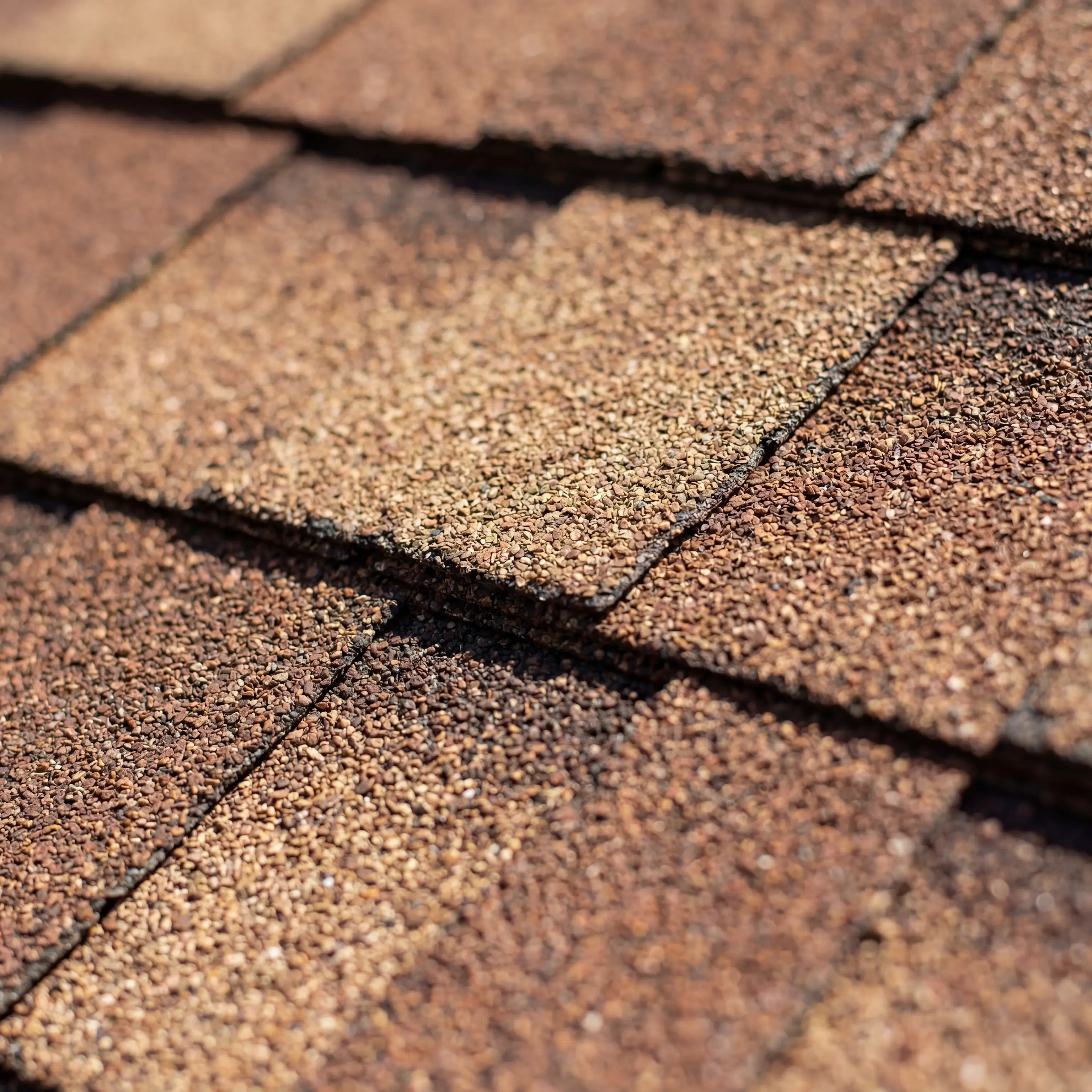
- Look for Damaged Shingles: From the ground, scan your roof for missing, cracked, or curling shingles that could easily let melting water seep through.
- Trim Overhanging Branches: Heavy ice and wind can cause dead tree branches to snap and puncture your roof. Keep them trimmed safely away from your home.
While a visual check from the ground is a great start, nothing beats the peace of mind that comes from a professional evaluation. At Modern Roofing Group, we leverage the latest technology—including precision drone inspections—to safely and accurately assess your roof without causing unnecessary foot traffic on your shingles. We highly recommend scheduling a free inspection to ensure everything is tightly sealed and properly ventilated.
Trust a Local Expert to Protect Your Home
In a market sometimes crowded with out-of-state storm chasers, finding a fully licensed, insured, and deeply rooted local contractor can be a relief. We know the building codes, we know the weather patterns in the Volunteer State, and we know how much you value honest, upfront pricing. Whether you want to explore modern, energy-efficient roofing materials or simply need to ensure your current roof is ready for whatever January throws our way, our team is equipped to deliver exceptional quality and clear communication from start to finish.
Don't let a hidden ventilation issue turn into a costly winter emergency. If you're in the Cookeville area and want to make sure your home is completely protected against ice dams and leaks, reach out to Modern Roofing Group today. We'll provide a thorough, transparent assessment so you can rest easy all season long.