Roof Overlay vs. Complete Tear-Off: Making the Right Choice for Your Home
When your home is due for a new roof, you are likely weighing a variety of options, materials, and pricing structures. One of the most common questions we hear from homeowners in Cookeville and across Middle Tennessee is: "Can you shingle over existing shingles?"
This process, known as a roof overlay, might seem like a quick and budget-friendly solution at first glance. However, when you compare a roof overlay versus a complete tear-off, the long-term implications for your home's safety, structural integrity, and wallet are vastly different. Choosing between the two is one of the most important decisions you will make regarding your property.
At Modern Roofing Group, our goal is to provide you with the transparent, high-quality information you need to make the best choice for your family. We know that dealing with roofing companies can sometimes feel overwhelming, especially when balancing upfront costs against long-term value. Let's break down the pros and cons of a roof overlay, the benefits of a full tear-off, and what you should consider before making a final decision.
What is a Roof Overlay?
A roof overlay is exactly what it sounds like: installing a new layer of asphalt shingles directly on top of your existing roof. Because this method skips the labor-intensive step of removing and disposing of the old materials, the initial roofing cost is generally lower, and the project can be completed faster.
While this might sound appealing if you are looking for affordable roofing options in a pinch, it is essential to understand the pros and cons of roof overlay. Yes, you save on labor and dumpster fees, but the drawbacks often outweigh the immediate savings.
The Hidden Problems with Installing Shingles Over Shingles
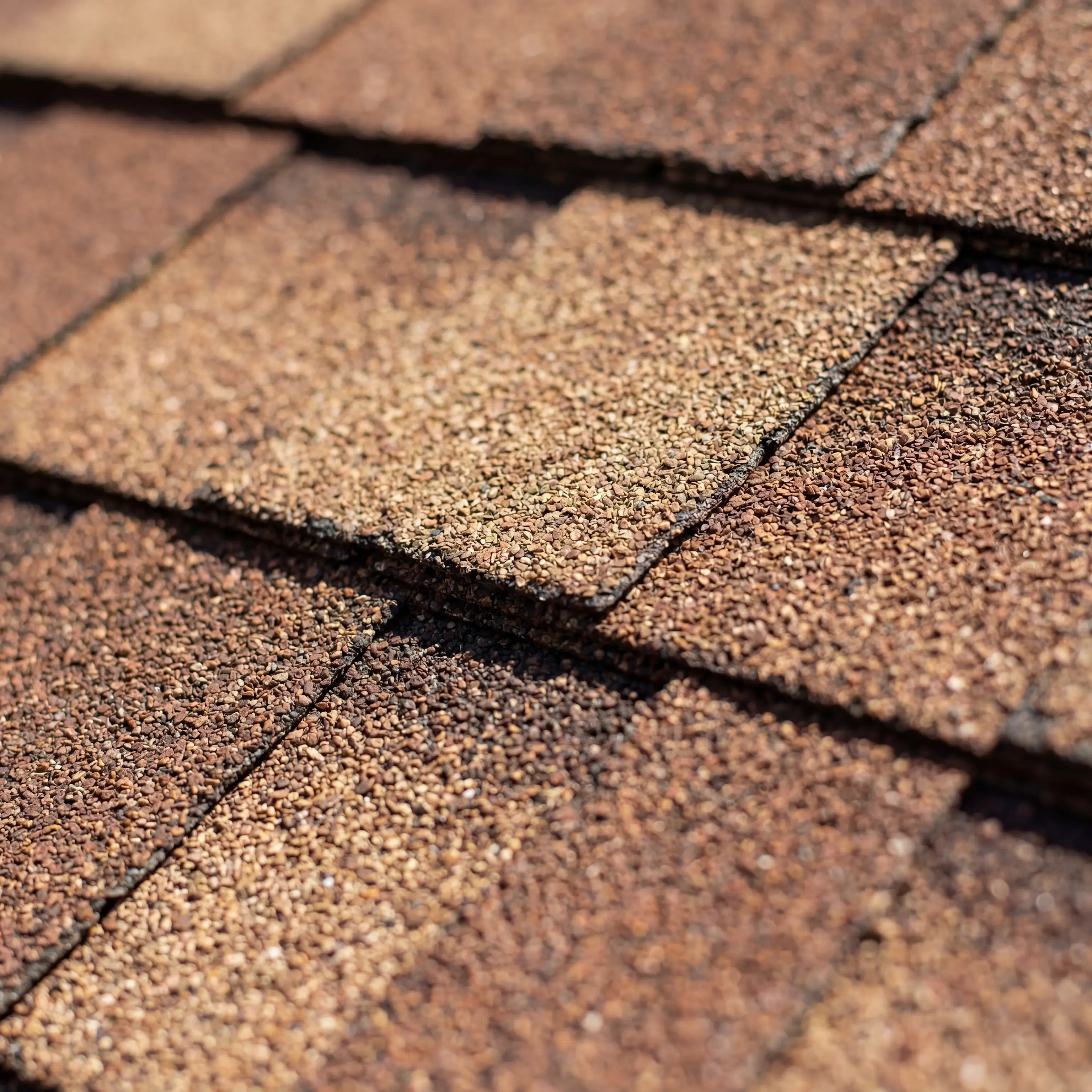
The biggest risk of a roof overlay is that it covers up potential issues rather than fixing them. When we leave the old shingles in place, we cannot inspect the underlying wooden roof decking. If there is existing water damage, wood rot, or structural compromise, it gets buried under the new layer. Over time, these hidden issues can spread, leading to severe leaks and compromised structural integrity.
Additionally, shingles are heavy. Adding a second layer doubles the weight on your home's framing. Depending on the age and construction of your property, this excess weight can cause your roofline to sag. Furthermore, a second layer traps heat more easily, which can prematurely bake and degrade the new shingles, drastically shortening their lifespan and potentially voiding manufacturer warranties.
The Complete Tear-Off: Starting with a Clean Slate
A complete tear-off involves removing all existing shingles, underlayment, and flashing down to the bare wooden decking. While the roof overlay vs tear off cost leans higher for a tear-off due to increased labor and disposal fees, it is universally considered the best roofing practice for long-term reliability.
Why a Tear-Off is the Superior Choice
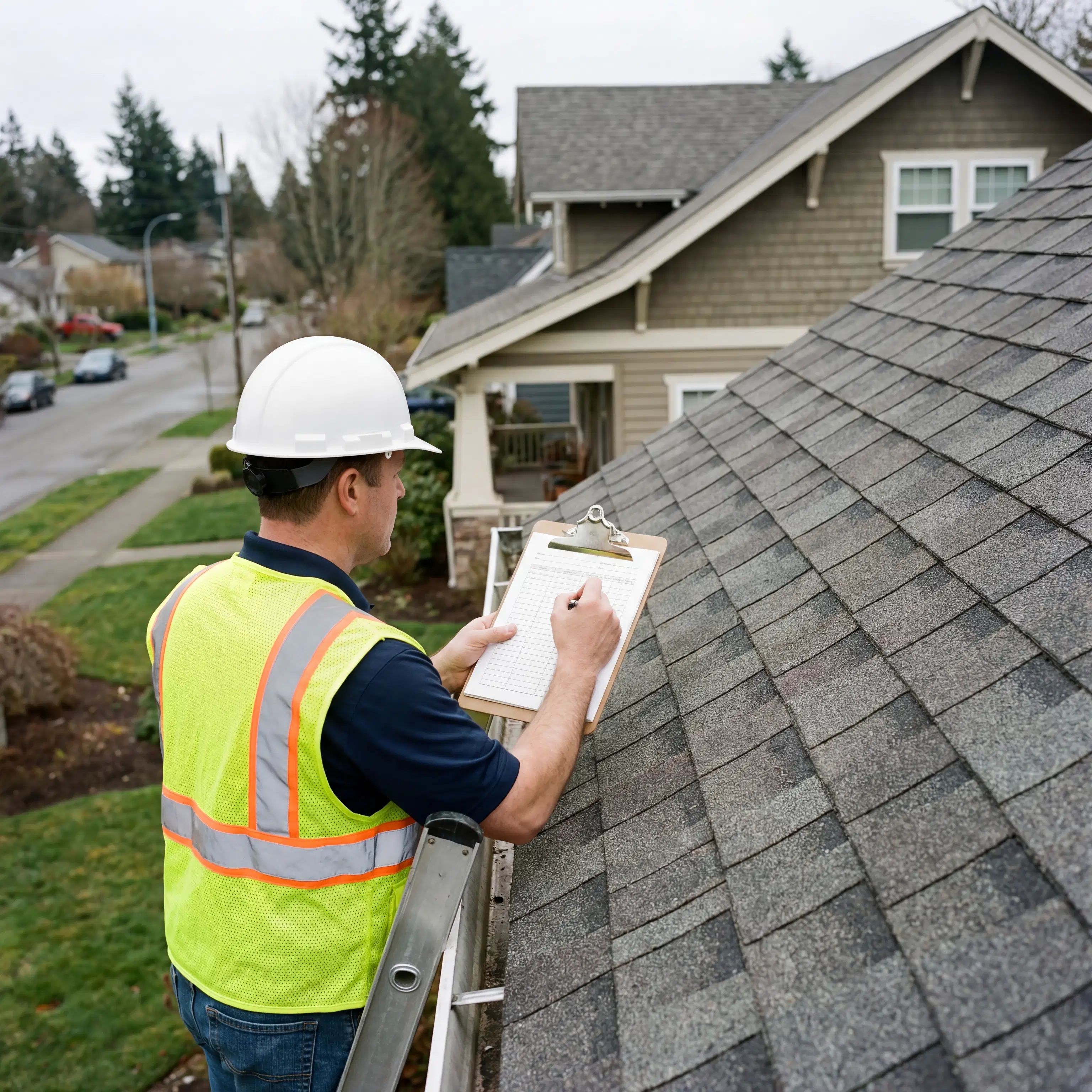
When evaluating how to tell if your roof needs replacing completely rather than just patching, a full tear-off provides absolute certainty. Stripping the roof allows our experienced crews to thoroughly inspect every inch of your decking. If we find soft spots or water damage, we replace that wood before any new materials are installed. This ensures your home has a solid, healthy foundation.
Furthermore, starting fresh allows us to install a complete, modern roofing system. This includes an ice and water shield in the valleys, synthetic underlayment, and new flashing around chimneys and vents. When you invest in a full Roof Replacement, you are paying for peace of mind. Your new roof will last longer, dissipate heat properly, and qualify for robust manufacturer warranties that protect your investment for decades.
Comparing the True Cost and Value
It is completely understandable to be concerned about the price of major home improvements. Homeowners often struggle to find accurate, transparent estimates without hidden surprises. When comparing the roof overlay vs tear off cost, it is vital to look beyond the initial invoice.
An overlay might save you a fraction of the cost today, but if hidden rot causes a major leak in three years, the subsequent roofing repair and interior drywall fixes will quickly erase those savings. Worse, if you decide to sell your home, a double-layered roof often flags on a home inspector's report, potentially forcing you to pay for a costly tear-off before the sale can close.
At Modern Roofing Group, we leverage advanced technology to eliminate the guesswork. We use drone-based roof inspections to capture high-definition imagery and precise aerial measurements of your property. This allows us to provide incredibly accurate pricing estimates upfront, protecting you from unexpected material shortages or inflated costs. We believe in doing the job right the first time, ensuring your home is protected against everything from summer thunderstorms to winter freezes.
Making the Right Call for Your Home
Ultimately, while a roof overlay is technically possible, a complete tear-off is almost always the smarter, safer, and more valuable choice. It guarantees the structural integrity of your roof deck, maximizes the lifespan of your new shingles, and ensures you receive the full backing of manufacturer warranties.
If y'all are noticing signs of wear, curling shingles, or suspect weather damage, do not leave your home's most important defense to chance. Let our local experts give you a clear, honest assessment of your property's condition.
Ready to get started? Schedule a Free Inspection with Modern Roofing Group today. Whether you need a full Roof Replacement, targeted Storm Damage Assessment, or Gutter Replacement to complete your home's exterior defense, our team is here to provide top-tier roofing services you can trust.