Solving Commercial Flat Roof Ponding Water Issues
As a business owner or property manager in Middle Tennessee, you already know that our weather can be unpredictable. When intense Spring Storms roll through, they bring heavy rainfall that puts your building's exterior to the ultimate test. For commercial properties with flat roofs, one of the most common and persistent challenges you will face after a heavy downpour is standing water.
If you have noticed puddles lingering on your facility's roof days after the rain has stopped, you are dealing with ponding water. While a small amount of water accumulation might not seem like an immediate emergency, ignoring it can lead to devastating structural damage, extensive inventory loss, and unexpected facility downtime. At Modern Roofing Group, we have seen firsthand how proactive maintenance can save local businesses thousands of dollars in premature replacement costs. By understanding why water accumulates and how to properly address it, you can protect your investment and keep your operations running smoothly.
What Causes Standing Water on Commercial Flat Roofs?
To effectively solve a moisture problem, you first have to understand the root causes of standing water on commercial flat roofs. Despite the name, a flat roof should never be completely flat. They are designed with a slight pitch—usually a minimum of a quarter inch per foot—to direct water toward drains, scuppers, or gutters. When water fails to exit the roof within 48 hours of a rain event, there is an underlying issue with the roofing system.
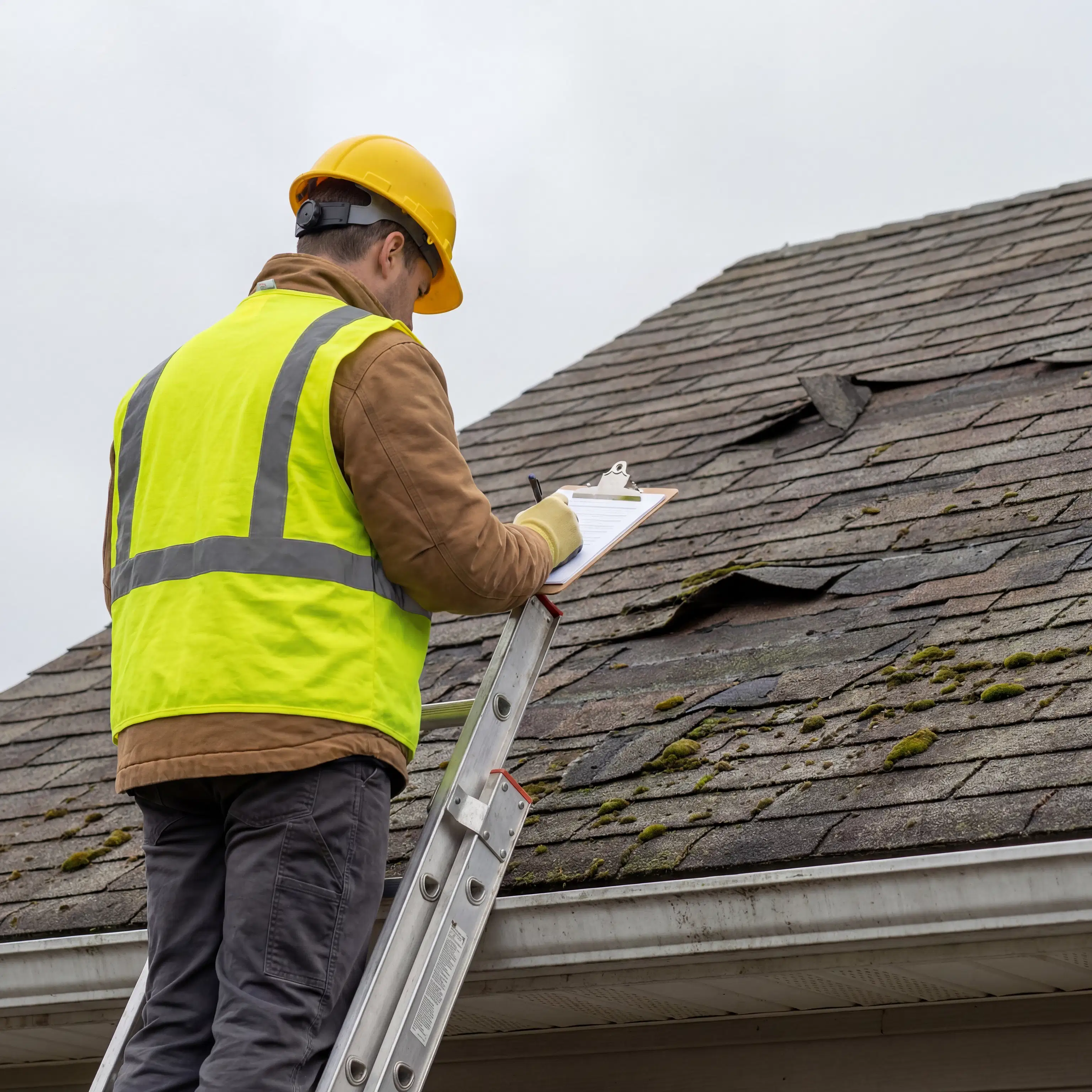
One of the primary culprits is inadequate drainage. Over time, debris such as leaves, twigs, and dirt can clog drains and gutters, creating a dam that traps rainwater on the roof surface. Another common issue is structural settling. As a building ages, the foundation and roof deck can shift or sag slightly, creating low spots where water naturally collects.
Additionally, compressed insulation can lead to pooling. If heavy equipment like HVAC units are installed improperly, or if there is heavy foot traffic in a specific area, the insulation beneath the roofing membrane can become crushed. This creates a depression that acts like a bowl during rainstorms. Finally, improper installation by out-of-state contractors who rush through jobs after major weather events can leave your roof with poor sloping from day one. Choosing a reliable, local residential roofing company and commercial contractor ensures your system is designed correctly from the start.
Commercial Roof Membrane Leak Detection Signs
When water sits on a flat roof for extended periods, it acts like a magnifying glass for the sun's UV rays, accelerating the breakdown of roofing materials. Whether you have an EPDM or TPO commercial roofing system, the constant presence of water will degrade the membrane, compromise the seams, and eventually lead to interior leaks.
Knowing the commercial roof membrane leak detection signs can help you catch damage before it severely impacts your business. Keep an eye out for blistering or bubbling on the roof surface, which indicates that moisture has breached the outer layer and is vaporizing in the heat. You should also inspect the seams where the membrane rolls overlap. If you notice cracking, peeling, or separation along these seams, water is likely working its way underneath.
Inside your building, the signs are often more obvious. Water stains on the ceiling, peeling paint near the upper walls, and a musty odor in your warehouse or office space are clear indicators that a leak has penetrated the roof deck. Because water can travel along the roof deck before dropping through the ceiling, the visible drip inside might be far away from the actual breach on the roof. This is where modern technology comes into play. We utilize advanced drone inspections and digital imaging to accurately pinpoint compromised areas without causing further wear and tear on your roof.
How to Fix Ponding Water on TPO Roofing
Addressing moisture issues requires a tailored approach depending on the severity of the damage and the type of roofing system you have. If you are wondering how to fix ponding water on TPO roofing or other flat systems, the solution usually falls into two categories: improving drainage or modifying the roof surface.
If the issue is simply clogged drainage, a thorough professional cleaning and regular maintenance schedule might be all that is needed. We can clear debris from scuppers and interior drains, allowing water to flow freely again. For roofs with minor depressions, we often utilize specialized roof leveling compounds or tapered insulation to fill in the low spots and restore the proper slope.
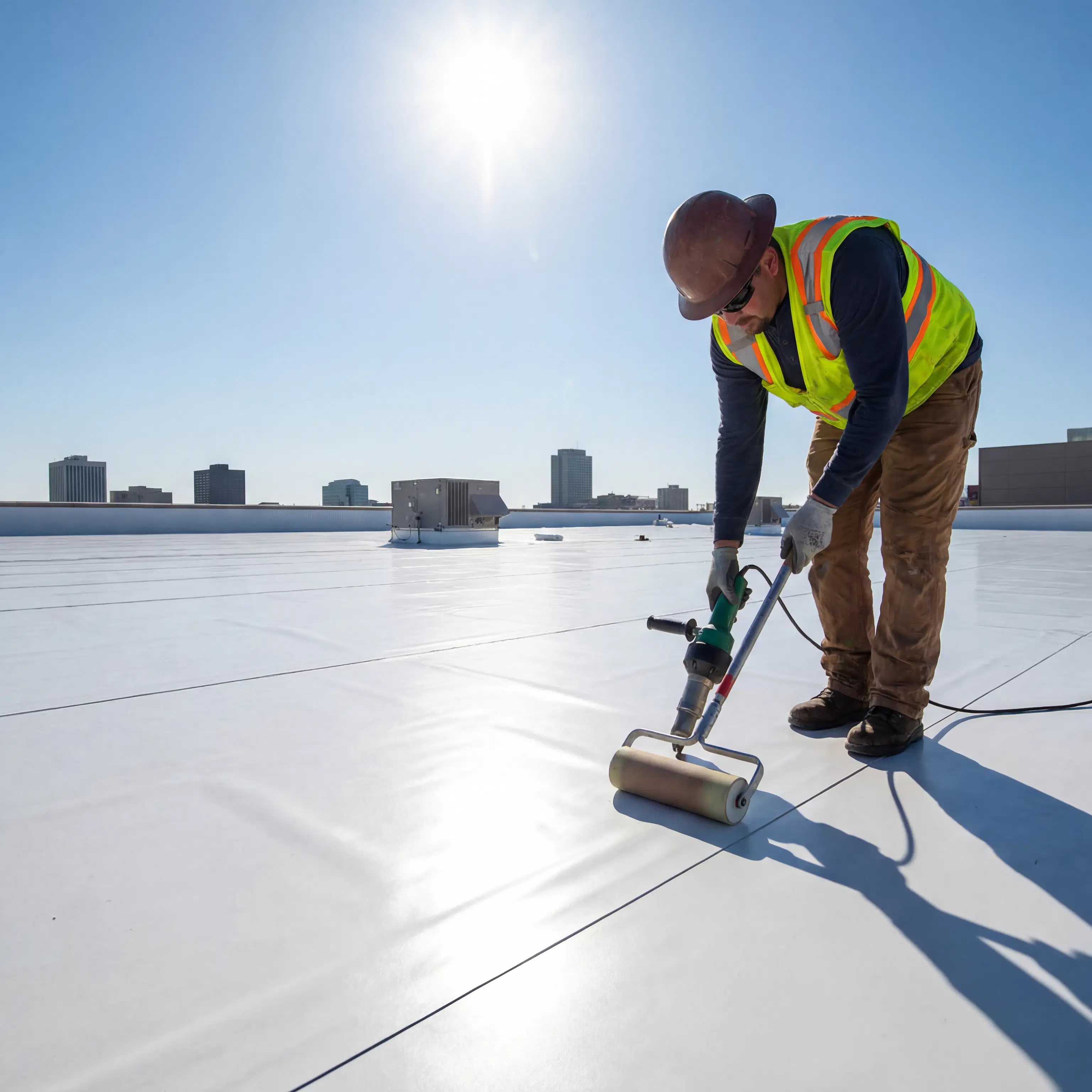
When the ponding has already compromised the membrane, professional roof repair is essential. Flat roof seam repair and drainage solutions often go hand-in-hand. We carefully clean and prepare the damaged seams, applying new, reinforced membrane patches and heat-welding them to create a watertight seal. If the current drainage system is fundamentally undersized for the amount of rainfall we receive in the region, we may recommend installing additional drains or widening existing scuppers to handle higher volumes of water.
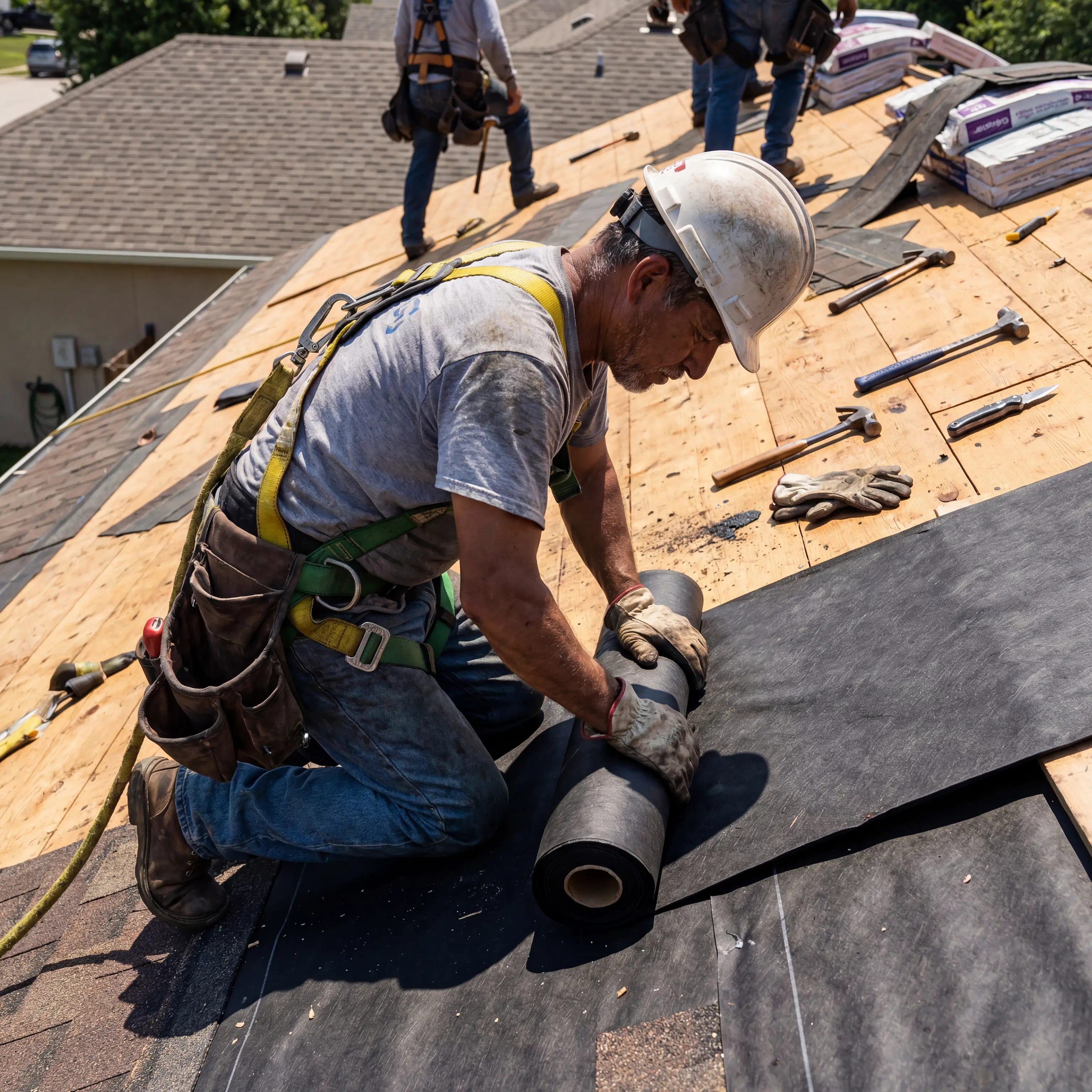
In cases where the roof has sustained widespread damage from years of ponding or severe weather, a complete overhaul may be the most cost-effective long-term solution. A modern commercial roofing installation, utilizing high-quality TPO or EPDM materials, can provide decades of reliable protection while improving your building's energy efficiency.
Protect Your Business with Proactive Maintenance
Ignoring ponding water is a risk no business owner should take. What starts as a small puddle can quickly escalate into structural degradation, mold growth, and costly interior damage. In an era where material supply chain delays can slow down major repairs, catching problems early through routine maintenance is the best way to protect your financial bottom line and avoid operational disruptions.
If you suspect your facility is struggling with drainage issues, do not wait for the next major storm to find out. Modern Roofing Group is committed to providing honest, transparent, and high-quality solutions for businesses across Cookeville, Rutherford County, and the surrounding areas. We have the local expertise and modern technology required to diagnose hidden moisture problems accurately and fix them right the first time.
Ready to secure your commercial property against standing water? Reach out to us today through our contact us page to schedule a comprehensive inspection of your flat roof system.