Understanding Workmanship Versus Manufacturer Roof Warranties
If you are a homeowner in Middle Tennessee, you know that our weather can be incredibly unpredictable. From severe summer thunderstorms and high winds to freezing winter nights, your roof serves as your home's primary line of defense against the elements. When the time comes for a major project, you might find yourself feeling a bit overwhelmed by the details, especially when reviewing contracts and estimates from various roofing companies. One of the most common questions we hear at Modern Roofing Group is about warranties. Specifically, people want to know the difference between workmanship and manufacturer roofing warranty protections.
It is completely understandable to be a bit skeptical when hiring a contractor. Homeowners often worry about unreliable service or finding out too late that their investment isn't fully protected. Understanding exactly how you are covered brings peace of mind and ensures you are making a sound financial decision. Whether you are dealing with the aftermath of a storm or simply upgrading an aging system, knowing what your warranties actually cover is crucial before scheduling a roof replacement.
In this guide, we are going to break down the two main types of warranties you will encounter, what they include, and why both are essential for protecting your property.
What Does a Roof Manufacturer Warranty Cover?
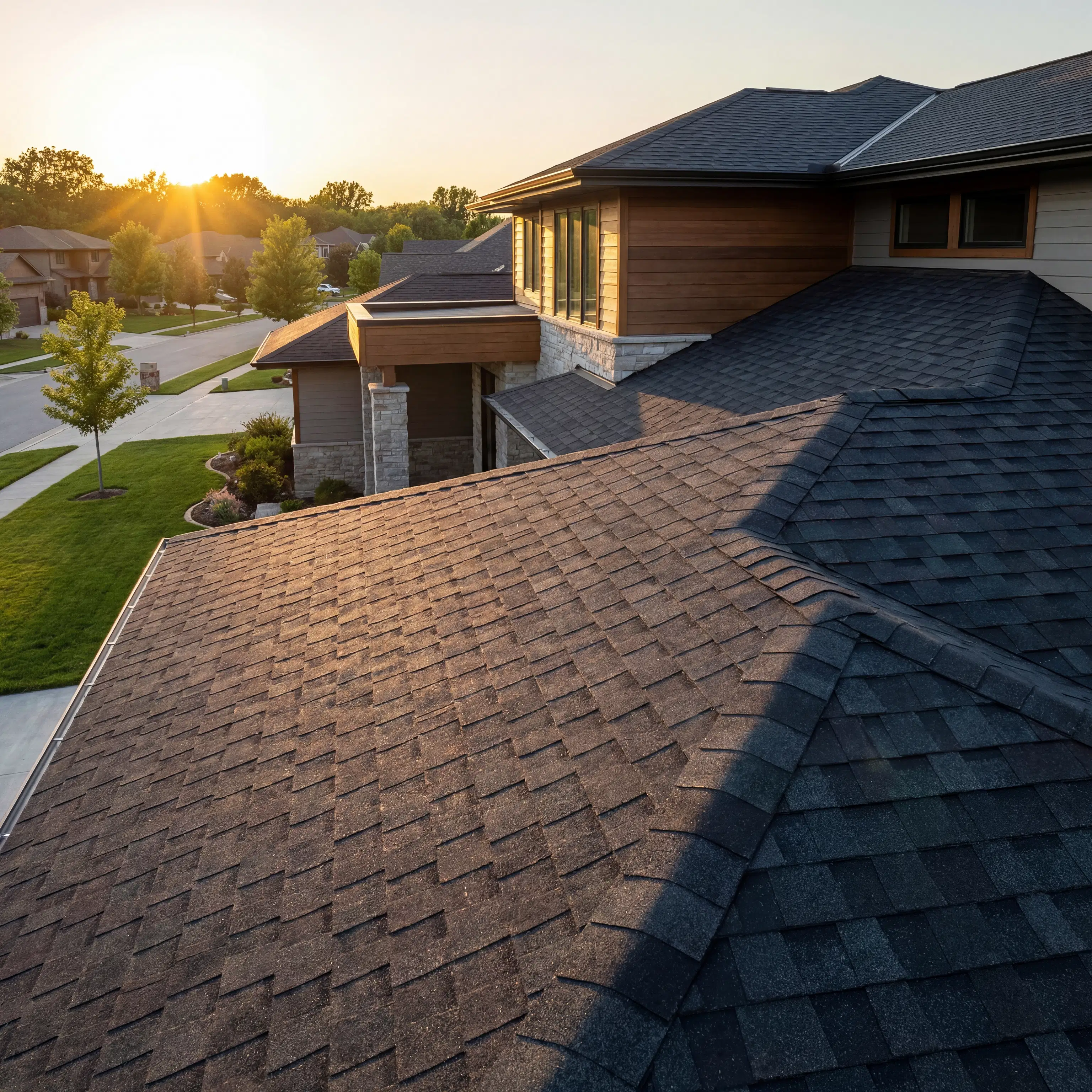
When you select high-quality materials for your home, they almost always come with a manufacturer warranty. But what does a roof manufacturer warranty cover exactly? In simple terms, this type of warranty protects you against defects in the actual roofing materials themselves.
Companies that produce asphalt shingles, metal panels, and other roofing supplies stand behind the quality of their products. If your new shingles begin to prematurely deteriorate, curl, or lose their protective granules due to a factory flaw, the manufacturer warranty kicks in to cover the cost of replacement materials. Depending on the specific brand and the tier of shingles you choose, these warranties can range from 20 years to a lifetime guarantee.
However, there is an important caveat that many homeowners miss. Most manufacturer warranties only remain valid if the materials are installed strictly according to their factory specifications. If a contractor cuts corners, uses improper nailing techniques, or fails to install adequate ventilation, the manufacturer can—and often will—void the warranty entirely. This is why you cannot rely solely on the materials to protect your investment. The quality of the people putting those materials on your home is equally, if not more, important.
How Contractor Workmanship Warranties Protect Homeowners
This brings us to the second, and arguably most crucial, layer of protection: the workmanship warranty. While the manufacturer guarantees the product, the roofing contractor guarantees the installation.
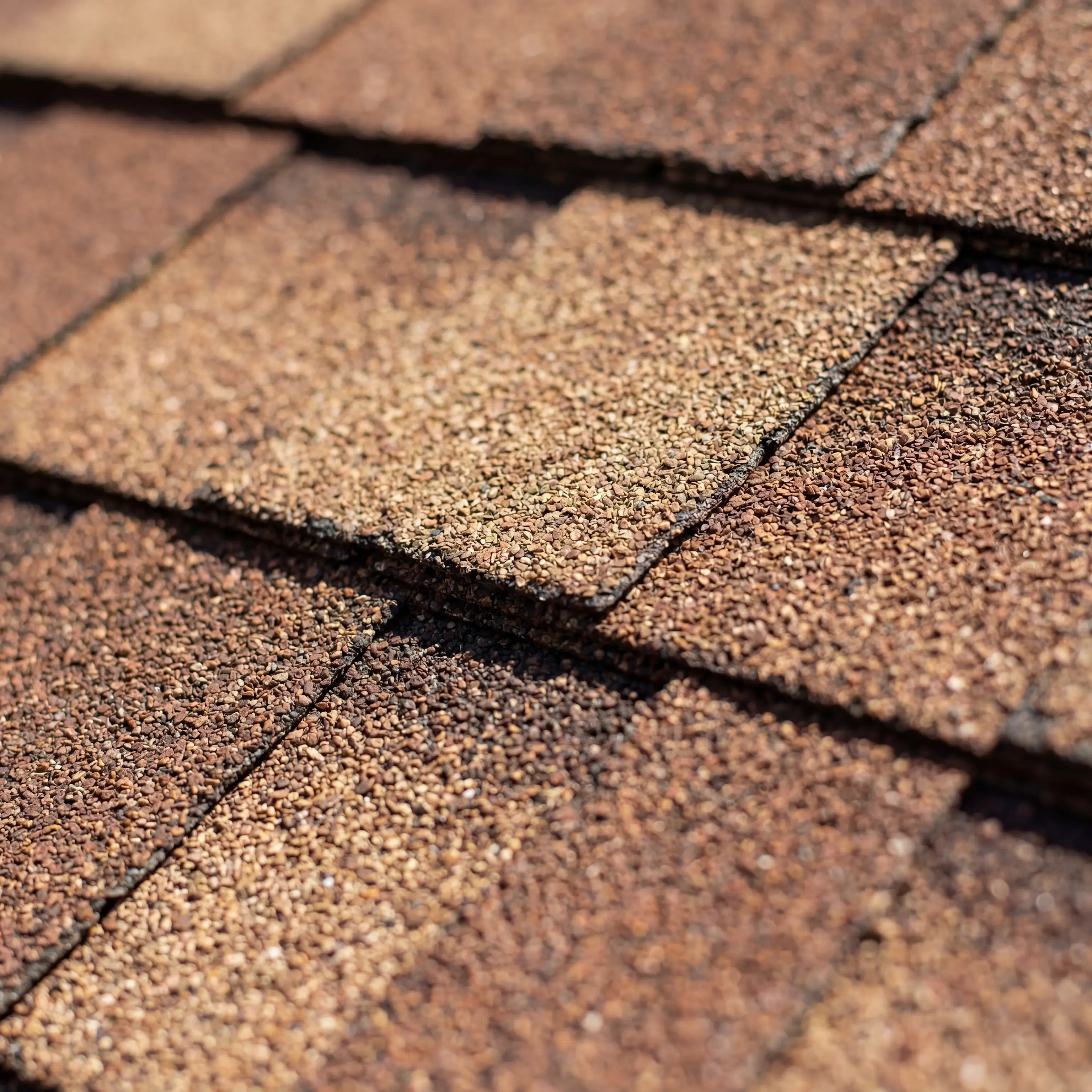
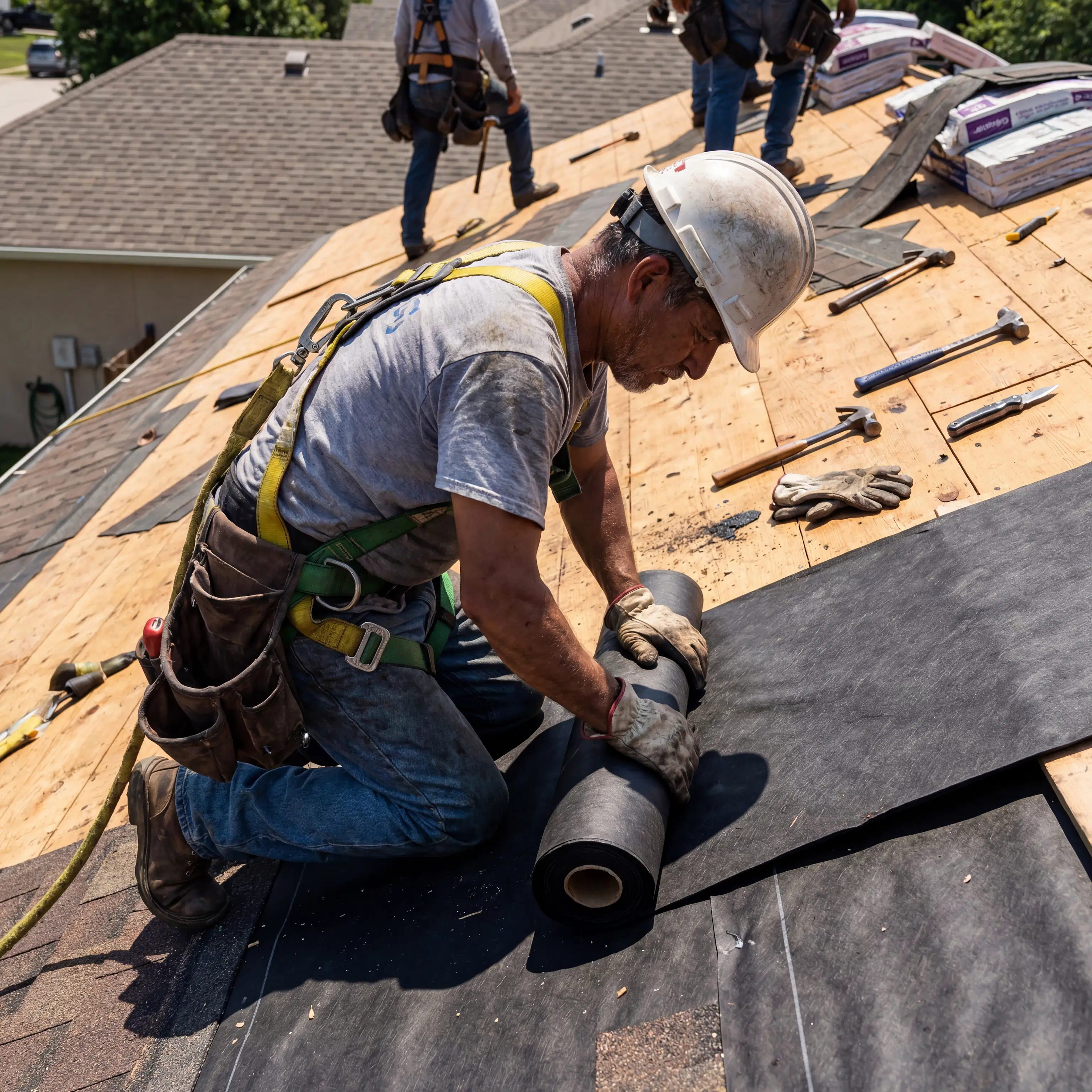
So, how contractor workmanship warranties protect homeowners is by covering the labor and installation process. Even the most expensive, top-tier roofing materials will fail if they are installed incorrectly. A workmanship warranty means that if a leak develops or a shingle blows off because the crew made a mistake during installation, the contractor will come back and fix the issue at no additional cost to you.
Industry-wide, a standard workmanship warranty might last anywhere from one to ten years, though highly reputable local contractors often provide longer, more comprehensive guarantees. This is where finding a licensed, bonded, and insured team is critical. It doesn't matter if you have a 50-year warranty on paper if the contractor goes out of business or refuses to return your calls next spring. We highly recommend asking potential roofers detailed questions about their workmanship guarantees, whether you need residential services or complex commercial roofing solutions. A company that proudly stands behind its labor is a company you can trust.
The Core Difference and Securing Your Investment
To summarize, the difference between workmanship and manufacturer roofing warranty coverage comes down to materials versus labor. The manufacturer protects you from defective products, while the contractor protects you from installation errors. You need both working in harmony to ensure your roof lasts for decades.
At Modern Roofing Group, we know that replacing a roof is a major commitment. We also know that the folks here in the Volunteer State value honesty, transparency, and high-quality craftsmanship. We take great pride in using exceptional materials and installing them with absolute precision so that both of your warranties remain ironclad. We believe in getting the job done right the first time, keeping your family safe, and ensuring your home looks incredible.
If you have noticed signs of wear and tear, or if you simply want a professional assessment after a recent storm, we are here to help. Reach out to our team in Cookeville today to schedule a free inspection. We'll give you an honest evaluation, walk y'all through your options, and provide transparent pricing so you can make the best decision for your home.